Introduction & Background
The intersection of human creativity and artificial intelligence represents one of the most transformative forces shaping our world today. As technology evolves at an unprecedented pace, the relationship between humans and machines is shifting from one of mere tool-use to a deeply integrated collaboration. This symbiotic future is not a distant fantasy but an emerging reality, where machines enhance human capabilities while humans guide the ethical and creative direction of these technologies. The significance of this convergence lies in its potential to redefine industries, economies, and daily life, making it crucial to understand both its promise and its challenges.
Historically, humans have relied on tools to extend their physical and cognitive abilities. From the invention of the wheel to the development of the internet, each leap in technology has reshaped society in profound ways. Today, artificial intelligence stands as the next great frontier, offering capabilities that range from predictive analytics to autonomous decision-making. But unlike previous technological revolutions, AI’s rapid advancement presents unique opportunities for collaboration, where human intuition and machine precision complement each other. This partnership has the power to unlock solutions to some of humanity’s most pressing problems, from climate change to healthcare disparities, while also raising new questions about autonomy, privacy, and the future role of human labor.
Concept & Overview
The symbiotic future refers to a harmonious relationship between humans and intelligent machines, where each entity contributes its strengths to achieve outcomes that neither could accomplish alone. At its core, this concept is rooted in the idea of augmentation rather than replacement. Machines excel at processing vast amounts of data, identifying patterns, and performing repetitive tasks with precision, while humans bring creativity, emotional intelligence, and ethical reasoning to the table. When these strengths are combined, the result is a powerful synergy that can drive innovation and efficiency across sectors.
This collaboration is already visible in various fields. In healthcare, AI assists doctors by analyzing medical images to detect early signs of disease, allowing for faster and more accurate diagnoses. In creative industries, AI tools help artists, writers, and musicians explore new ideas by generating drafts, refining styles, or even composing music. Even in everyday life, intelligent assistants and recommendation systems tailor experiences to individual preferences, making technology more intuitive and user-friendly. The key to this symbiosis is not just the technology itself but the way humans design, deploy, and interact with these systems. Transparency, accountability, and human oversight remain essential to ensure that AI serves the greater good.
Key Features & Highlights
- Human-in-the-Loop Systems: AI systems that require human input for decision-making, ensuring that machines remain accountable and aligned with human values. This approach balances automation with oversight, reducing risks of errors or unintended consequences.
- Augmented Intelligence: Tools and platforms that enhance human capabilities rather than replace them. Examples include AI-powered brainstorming assistants for designers or real-time language translation for global communication.
- Ethical AI Design: Frameworks that prioritize fairness, bias mitigation, and privacy in AI development. Human oversight is critical to ensure that AI systems do not perpetuate discrimination or infringe on individual rights.
- Real-Time Collaboration: Platforms that enable seamless interaction between humans and machines, such as AI-driven project management tools that adapt to team workflows or smart manufacturing systems that optimize production lines.
- Continuous Learning: Systems that evolve alongside human users, learning from feedback and improving over time. This dynamic relationship fosters long-term trust and effectiveness in AI applications.
Frequently Asked Questions / Pros & Cons
What are the main benefits of a symbiotic relationship between humans and AI?
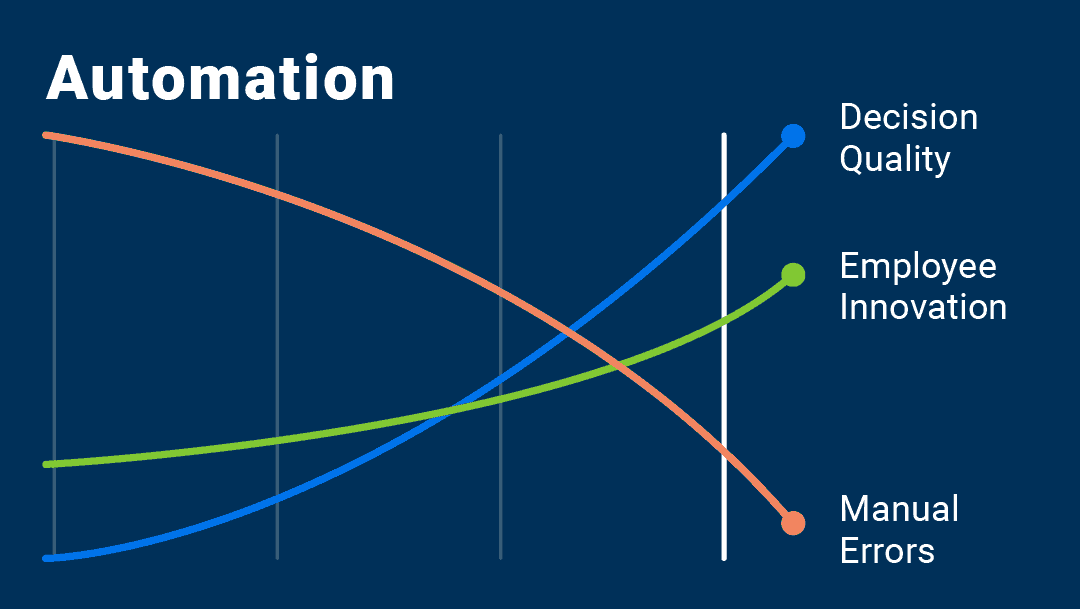
One of the most significant advantages is the ability to tackle complex problems that require both human creativity and computational power. For instance, AI can process genetic data to identify personalized treatment options for diseases like cancer, while human doctors provide the empathy and nuanced understanding needed for patient care. Additionally, this collaboration can lead to increased productivity, as machines handle repetitive or data-intensive tasks, freeing humans to focus on innovation and strategic thinking. Enhanced decision-making is another key benefit, as AI can analyze vast datasets to uncover insights that humans might overlook, while humans provide the context and judgment to interpret those findings.
What are the potential risks or drawbacks of this partnership?
A primary concern is the over-reliance on AI, which could erode human skills or lead to a loss of critical thinking. For example, if professionals become too dependent on AI for decision-making, they may struggle to operate effectively without it. Another risk is the perpetuation of biases, as AI systems trained on flawed or unrepresentative data can reinforce existing inequalities. Privacy is also a major issue, as the collection and analysis of personal data by AI systems raise questions about surveillance and consent. Furthermore, the rapid advancement of AI could disrupt labor markets, displacing workers in industries where automation becomes the norm without adequate preparation or retraining programs.
How can businesses prepare for a symbiotic AI future?
Businesses should start by investing in workforce training to ensure employees can work effectively alongside AI tools. Upskilling initiatives can help teams understand how to leverage AI for their roles while maintaining human oversight. Additionally, companies should prioritize transparency in their AI systems, providing clear explanations for how decisions are made to build trust with customers and stakeholders. Collaborating with ethicists and policymakers can also help establish guidelines that ensure AI is used responsibly. Finally, fostering a culture of innovation that embraces experimentation with AI will position businesses to adapt quickly as new opportunities and challenges arise.
Practical Guidance & Solutions
For individuals and organizations looking to embrace the symbiotic future with AI, the following steps can serve as a roadmap for success. First, assess your current capabilities and identify areas where AI could provide the most value. Whether it’s automating routine tasks, enhancing customer interactions, or improving data analysis, start with a clear goal in mind. Next, invest in the right tools and platforms that align with your needs, ensuring they are user-friendly and scalable for future growth.
Education and training are equally important. Encourage continuous learning by providing access to courses or workshops on AI literacy, so that teams can understand both the potential and limitations of these technologies. Encourage a mindset of experimentation, where employees feel empowered to test new AI applications and iterate based on feedback. This approach not only builds confidence in using AI but also fosters a culture of innovation.
On a broader scale, advocate for ethical AI practices within your industry. Support initiatives that promote fairness, accountability, and transparency in AI development. Collaborate with policymakers to shape regulations that protect individuals while fostering innovation. By taking a proactive stance, you can help ensure that the symbiotic future benefits everyone, not just a select few.
Finally, stay informed about emerging trends and breakthroughs in AI. The field is evolving rapidly, and keeping up-to-date will allow you to seize new opportunities as they arise. Whether through industry publications, webinars, or professional networks, maintaining a strong knowledge base will position you and your organization at the forefront of this transformative era.
Conclusion
The symbiotic future of human ingenuity and machine intelligence is not a distant dream but an unfolding reality that is reshaping the way we live, work, and interact with the world. This partnership holds the promise of solving some of humanity’s greatest challenges, from healthcare and education to climate change and economic inequality. Yet, its success hinges on our ability to navigate the complexities of this relationship with care, foresight, and a commitment to ethical principles.
As we move forward, the most successful individuals and organizations will be those who embrace AI as a collaborator rather than a competitor. By fostering a culture of collaboration, investing in education, and prioritizing ethical considerations, we can harness the full potential of this symbiotic relationship. The future is not about humans versus machines, but about humans and machines working together to create a more innovative, equitable, and sustainable world. The journey ahead is filled with possibilities, and it is up to us to shape it wisely.