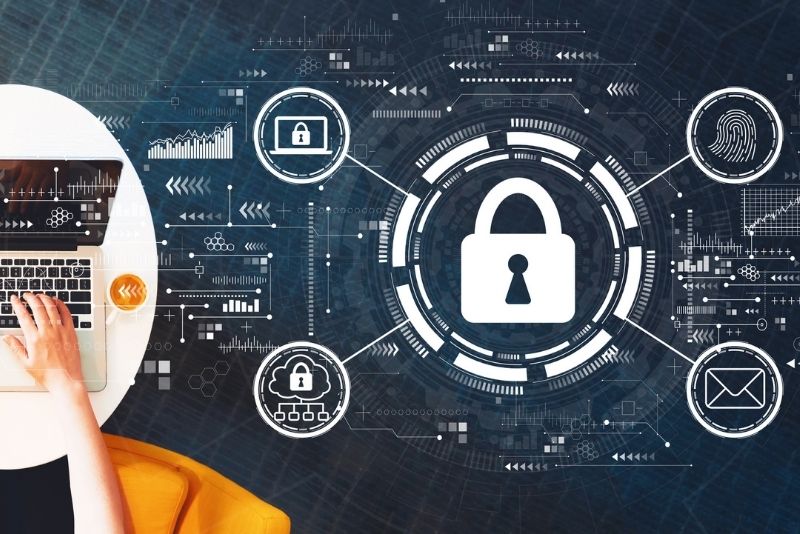

The Invisible War: How Cybersecurity Keeps You Safe in a Digital Battlefield
In an era where nearly every aspect of our lives—from banking to social connections—exists in the digital realm, an invisible war is raging. This is not a war fought with bullets and bombs, but with lines of malicious code, stolen data, and relentless attempts to breach the digital walls that protect us. Cybersecurity stands as the silent guardian, a complex and ever-evolving shield that defends individuals, businesses, and governments against an army of cyber threats. Without it, the modern world would grind to a halt, privacy would vanish, and trust in technology would crumble.
Every day, cybercriminals launch thousands of attacks: phishing emails that trick users into revealing passwords, ransomware that locks critical systems for profit, and sophisticated hacking campaigns targeting sensitive infrastructure. These threats are not confined to the dark corners of the internet—they infiltrate our homes, offices, and even our pockets through smartphones and smart devices. Yet, most people remain unaware of how deeply cybersecurity impacts their daily lives. This article explores the nature of this digital battlefield, the forces at play, and how cybersecurity works tirelessly behind the scenes to keep us safe.
The Digital Battlefield: Understanding the Threats
The cyber threat landscape is vast and constantly shifting. It includes a wide range of adversaries, each with their own motives and methods:
- Cybercriminals: Motivated by financial gain, these individuals or groups target individuals, businesses, and financial institutions to steal money, personal information, or intellectual property. Common tactics include identity theft, credit card fraud, and ransomware attacks.
- Hacktivists: Driven by political or social agendas, hacktivists aim to disrupt services or expose secrets to advance a cause. They often target government websites, corporations, or high-profile individuals.
- State-Sponsored Actors: Governments or intelligence agencies launch cyber espionage and sabotage missions to steal intelligence, disrupt foreign infrastructure, or influence geopolitical outcomes. These attacks can be highly sophisticated and long-term.
- Insider Threats: Employees or contractors with access to sensitive systems may intentionally or accidentally leak data, sabotage operations, or facilitate breaches.
- Script Kiddies: Amateur hackers who use pre-written tools to launch attacks without deep technical knowledge. While often less skilled, their attacks can still cause significant damage.
These threats use a variety of attack vectors to infiltrate systems:
- Phishing and Social Engineering: Attackers impersonate trusted entities (e.g., banks, employers, or service providers) to trick individuals into revealing login credentials or downloading malware.
- Malware: Includes viruses, worms, trojans, and spyware designed to damage, steal data, or gain unauthorized access to systems.
- Ransomware: A type of malware that encrypts a victim’s files and demands payment for decryption, crippling businesses and individuals alike.
- Zero-Day Exploits: Attacks that target unknown vulnerabilities in software before developers can release patches, giving defenders no time to prepare.
- Man-in-the-Middle (MitM) Attacks: Hackers intercept and alter communications between two parties, such as stealing login details on public Wi-Fi networks.
These threats are not theoretical—they are real, pervasive, and growing. According to a 2023 report by the FBI’s Internet Crime Complaint Center, cybercrime losses exceeded $10.3 billion in the United States alone. Globally, the cost of cybercrime is projected to reach $10.5 trillion annually by 2025. Yet for every headline-grabbing breach or ransomware attack, countless others go unnoticed by the public. This is why cybersecurity is not just a technical issue—it’s a fundamental pillar of modern safety.
The Guardians of the Digital Realm: How Cybersecurity Works
Cybersecurity is the practice of protecting systems, networks, and data from digital attacks. It is not a single tool or solution but a layered defense strategy—often referred to as the “cybersecurity framework”—that combines technology, processes, and human expertise. At its core, cybersecurity aims to ensure three fundamental principles: confidentiality, integrity, and availability (collectively known as the CIA triad).
Let’s break down the key components of modern cybersecurity:
1. Prevention: Building the First Line of Defense
Prevention focuses on stopping attacks before they happen. This includes:
- Firewalls: Act as digital barriers between trusted internal networks and untrusted external networks (like the internet), filtering traffic based on security rules.
- Antivirus and Anti-Malware Software: Continuously scan systems for known threats and block or quarantine malicious files.
- Encryption: Scrambles data into unreadable code during transmission or storage, ensuring that even if intercepted, it remains useless to attackers.
- Access Controls: Limit who can access what within a system. This includes strong passwords, multi-factor authentication (MFA), and role-based access.
- Regular Software Updates: Patch vulnerabilities in operating systems and applications before attackers can exploit them.
Human error remains one of the biggest vulnerabilities. Therefore, user education and awareness training are critical components of prevention. Teaching individuals to recognize phishing attempts, avoid suspicious links, and follow secure password practices can significantly reduce risk.
2. Detection: Identifying Threats in Real Time
No defense is perfect. That’s why detection mechanisms are essential. They monitor systems for unusual activity and potential breaches:
- Intrusion Detection Systems (IDS): Monitor network traffic for suspicious patterns that may indicate an attack in progress.
- Security Information and Event Management (SIEM): Collects and analyzes log data from various sources to detect anomalies and correlate events across systems.
- Endpoint Detection and Response (EDR): Installed on individual devices, EDR tools continuously monitor for suspicious behavior and can isolate compromised systems.
- Threat Intelligence: Uses data from global sources to identify emerging threats, such as new malware strains or phishing templates, and update defenses accordingly.
Early detection can mean the difference between a minor incident and a catastrophic breach. Organizations that implement robust detection systems can respond to threats within minutes, rather than days or weeks.
3. Response: Mitigating Damage and Restoring Security
When a breach occurs, a swift and structured response is crucial. This involves:
- Incident Response Plans (IRP): Predefined procedures that outline roles, communication channels, and steps to contain, eradicate, and recover from an attack.
- Containment: Isolate affected systems to prevent the spread of malware or unauthorized access.
- Forensics: Analyze the attack to understand how it happened, what data was compromised, and how to prevent future incidents.
- Recovery: Restore systems and data from secure backups, ensuring minimal downtime and loss.
- Communication: Transparently inform stakeholders, regulators, and affected individuals in accordance with legal and ethical standards.
Organizations with mature incident response capabilities can reduce the average cost of a data breach by nearly 40%, according to IBM’s Cost of a Data Breach Report 2023.
4. Recovery: Strengthening Defenses for the Future
Recovery isn’t just about restoring systems—it’s about learning and improving. Organizations should:
- Conduct Post-Incident Reviews: Analyze what went wrong, what worked, and how to improve response times and defenses.
- Update Policies and Procedures: Revise security policies based on lessons learned and new threat intelligence.
- Enhance Backup Strategies: Ensure regular, secure, and tested backups are in place to recover quickly from ransomware or data loss.
- Invest in Resilience: Build redundancy and failover systems to maintain operations during disruptions.
Cybersecurity is not static—it’s a continuous cycle of learning, adapting, and improving. The goal is not just to prevent attacks but to build systems that can withstand and recover from them.
Why Cybersecurity Matters to Everyone
While large corporations and governments are frequent targets of high-profile cyberattacks, individuals are also on the front lines of this digital war. Here’s why cybersecurity is personal:
- Personal Safety: Identity theft can lead to financial ruin, ruined credit scores, and emotional distress. Cybercriminals can use stolen personal data to open credit cards, file fraudulent tax returns, or even commit crimes in your name.
- Financial Security: Online banking, shopping, and digital payments are convenient but also vulnerable. A single breach can drain bank accounts or lead to unauthorized transactions.
- Privacy Erosion: From social media to smart home devices, personal data is constantly collected. Without strong cybersecurity, this data can be exploited for manipulation, surveillance, or blackmail.
- Emotional and Reputational Harm: Leaked private photos, sensitive emails, or embarrassing messages can damage reputations and mental health. The rise of “doxxing” and online harassment has made digital privacy a critical concern.
- Safety of Loved Ones: Children and elderly family members are often targeted by predators or scammers. Strong cybersecurity habits protect vulnerable users from exploitation.
Moreover, the ripple effects of cyberattacks extend beyond individuals. A breach in a hospital’s system can delay critical medical care. A ransomware attack on a power grid can plunge entire cities into darkness. Cybersecurity is not just about protecting data—it’s about preserving human dignity, safety, and trust in a digital society.
The Future of Cybersecurity: Challenges and Innovations
As technology evolves, so do the threats—and the defenses. The future of cybersecurity will be shaped by emerging trends and persistent challenges:
Emerging Threats
- Artificial Intelligence (AI) in Cybercrime: Attackers are using AI to create more convincing phishing emails, automate attacks, and bypass security systems. Conversely, AI is also being used by defenders to detect anomalies and respond to threats in real time.
- Quantum Computing: While still in its infancy, quantum computers could one day break widely used encryption methods, rendering current security protocols obsolete.
- Internet of Things (IoT) Vulnerabilities: Billions of connected devices—from smart fridges to industrial sensors—lack robust security, making them easy entry points for attackers.
- Deepfakes and Synthetic Identity Theft: AI-generated voices, videos, and identities are being used to impersonate individuals, commit fraud, and manipulate public opinion.
Innovative Solutions
- Zero Trust Architecture: A security model that assumes no user or device is trustworthy by default. Every access request is verified, regardless of origin.
- Blockchain for Security: Offers tamper-proof ledgers for identity verification, secure transactions, and immutable audit trails.
- Behavioral Biometrics: Analyzes user behavior patterns (e.g., typing speed, mouse movements) to detect imposters or compromised accounts.
- Autonomous Security Systems: AI-driven tools that can detect, investigate, and respond to threats without human intervention.
- Homomorphic Encryption: Allows data to be processed while encrypted, enabling secure cloud computing without exposing raw data.
The arms race between attackers and defenders will continue, but innovation offers hope. Governments, businesses, and individuals must collaborate to stay ahead of the curve, sharing threat intelligence and investing in research and education.
What You Can Do: Simple Steps to Strengthen Your Cybersecurity
Cybersecurity is not just the responsibility of IT departments or governments—it’s a collective effort. Here are practical steps you can take to protect yourself and your digital life:
- Use Strong, Unique Passwords: Avoid reusing passwords across sites. Use a password manager to generate and store complex passwords securely.
- Enable Multi-Factor Authentication (MFA): Adds an extra layer of security beyond passwords. Even if a password is stolen, MFA can prevent unauthorized access.
- Keep Software Updated: Enable automatic updates for your operating system, apps, and antivirus software to patch known vulnerabilities.
- Be Wary of Phishing Attempts: Never click on suspicious links or download attachments from unknown senders. Verify the sender’s identity before responding.
- Secure Your Wi-Fi Network: Change the default router password, use WPA3 encryption, and avoid public Wi-Fi for sensitive transactions unless using a VPN.
- Backup Your Data Regularly: Use secure cloud storage or an external hard drive to back up important files. Test your backups to ensure they can be restored.
- Monitor Financial and Online Accounts: Regularly check for unauthorized transactions or suspicious activity. Enable alerts for logins or changes to account details.
- Educate Your Family: Teach children and elderly relatives about online safety, including the risks of sharing personal information or engaging with strangers.
- Use a VPN on Public Networks: A Virtual Private Network encrypts your internet traffic, protecting your data from interception on shared networks.
- Limit Sharing of Personal Data: Be cautious about what you post on social media. Oversharing can provide attackers with clues to answer security questions or impersonate you.
These habits may seem small, but they form a powerful first line of defense in the invisible war.
Conclusion: The Unseen Heroes of the Digital Age
Cybersecurity is the unsung hero of the 21st century. It operates quietly in the background, ensuring that when you send a message, make a purchase, or access your bank account, your data remains secure and your identity protected. It is the reason hospitals can function during a pandemic, why elections remain fair, and why families can share memories without fear of exploitation.
Yet, cybersecurity is not a guarantee—it’s a commitment. A commitment from individuals to stay vigilant, from companies to prioritize security over convenience, and from governments to invest in robust infrastructure and education. The digital battlefield will continue to evolve, with new threats emerging and old ones adapting. But with awareness, innovation, and collective action, we can turn the tide.
So the next time you log in, update your software, or teach someone about phishing, remember: you are not just protecting data. You are defending privacy, safety, and trust in a world that grows more connected every day. In the invisible war of cyberspace, every person plays a role—and every precaution counts.
Stay safe. Stay secure. Stay vigilant.