
The Green Revolution: How Sustainable Business Practices Are Redefining Success
In an era where climate change and environmental degradation pose existential threats, the business world is undergoing a profound transformation. The traditional metrics of success—profit margins, market share, and shareholder returns—are no longer the sole indicators of a company’s value. Instead, a new paradigm is emerging: one where sustainability is not just an ethical choice but a cornerstone of long-term success. This shift, often referred to as the Green Revolution, is reshaping industries, redefining corporate responsibility, and proving that profitability and environmental stewardship can—and must—go hand in hand.
The Green Revolution is more than a trend; it is a fundamental reimagining of how businesses operate, grow, and thrive in the 21st century. From multinational corporations to small local enterprises, organizations are recognizing that sustainable practices are not just a moral obligation but a strategic advantage. By integrating environmental, social, and governance (ESG) factors into their core strategies, businesses are not only mitigating risks but also unlocking new opportunities for innovation, efficiency, and customer loyalty. This article explores how sustainable business practices are redefining success, the key drivers behind this shift, and the tangible benefits that await those who embrace the green transformation.
Why Sustainability is the New Business Imperative
For decades, the primary goal of businesses was to maximize shareholder value, often at the expense of environmental and social well-being. However, the consequences of this approach have become impossible to ignore. Climate-related disasters, resource depletion, and social inequality have created a global call for change. Consumers, investors, and regulators are increasingly demanding that businesses take responsibility for their impact on the planet and society.
Several critical factors are propelling the adoption of sustainable practices:
- Consumer Demand: Today’s consumers are more informed and conscious than ever. Studies show that over 60% of global consumers are willing to pay more for products and services from companies committed to sustainability. Brands like Patagonia and Unilever have built loyal customer bases by aligning their values with those of environmentally and socially aware consumers.
- Investor Pressure: ESG investing is booming. In 2022 alone, global ESG assets reached $40.5 trillion, and this number continues to grow. Investors are increasingly scrutinizing companies’ sustainability performance, rewarding those with strong ESG scores and penalizing those lagging behind. Firms like BlackRock and Vanguard have made it clear that sustainability is a key factor in their investment decisions.
- Regulatory Changes: Governments worldwide are implementing stricter environmental regulations and carbon pricing mechanisms. The European Union’s Green Deal, the U.S. Inflation Reduction Act, and China’s carbon neutrality pledge are just a few examples of policies driving businesses toward sustainability. Non-compliance is no longer an option; it carries significant financial and reputational risks.
- Resource Scarcity: As natural resources become scarcer, businesses face rising costs and supply chain disruptions. Sustainable practices such as circular economy models, renewable energy adoption, and efficient resource management help companies future-proof their operations against volatility in raw material prices and availability.
The Triple Bottom Line: Profit, People, and Planet
The concept of the Triple Bottom Line (TBL), introduced by sustainability expert John Elkington in 1994, challenges the traditional focus on financial performance alone. According to TBL, businesses must measure their success across three dimensions: economic prosperity, social equity, and environmental health. This holistic approach is reshaping how companies define and pursue success.
Here’s how the Triple Bottom Line is being applied in practice:
- Economic Prosperity: Sustainable businesses focus on long-term value creation rather than short-term gains. By investing in energy-efficient technologies, reducing waste, and optimizing supply chains, companies can lower operational costs and enhance profitability. For example, IKEA’s shift to renewable energy and sustainable materials has not only reduced its environmental footprint but also improved its bottom line.
- Social Equity: Companies are recognizing that their success is intertwined with the well-being of their employees, customers, and communities. Fair labor practices, diversity and inclusion initiatives, and community engagement programs are becoming standard. Salesforce, for instance, has pledged to achieve net-zero emissions while also investing in education and workforce development programs to foster social equity.
- Environmental Health: Reducing carbon footprints, minimizing waste, and protecting biodiversity are now central to business strategies. Companies like Tesla and Beyond Meat are leading the charge by offering products that align with a low-carbon economy. Beyond individual efforts, industry-wide collaborations, such as the Fashion Pact, unite competitors in the pursuit of shared sustainability goals.
The integration of the Triple Bottom Line has led to the emergence of new business models that prioritize sustainability without sacrificing profitability. Examples include:
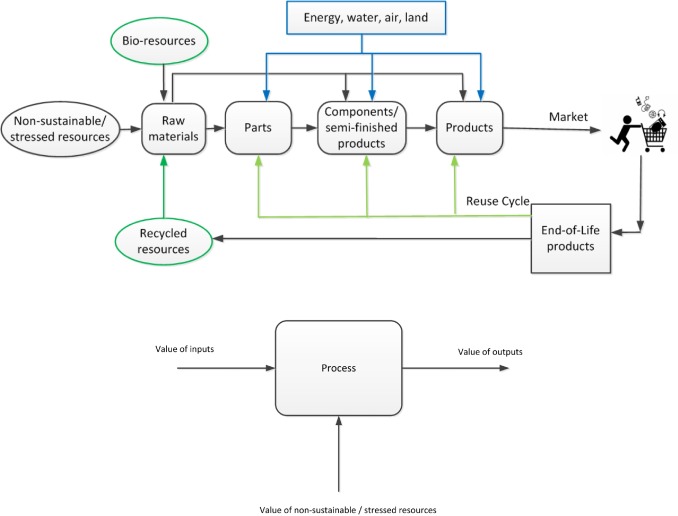
- Circular Economy: Businesses like Loop (by TerraCycle) and Adidas are reimagining product life cycles by designing items to be reused, repaired, or recycled. This approach not only reduces waste but also creates new revenue streams.
- Green Finance: Sustainable finance products, such as green bonds and sustainability-linked loans, are providing companies with the capital they need to transition to low-carbon operations. The global green bond market surpassed $500 billion in 2021, reflecting the growing appetite for environmentally responsible investments.
- Social Enterprises: Organizations like TOMS Shoes and Warby Parker have built their business models around social impact, donating products or profits to charitable causes. These enterprises prove that purpose can drive profit.
Innovation and Competitive Advantage: The Business Case for Sustainability
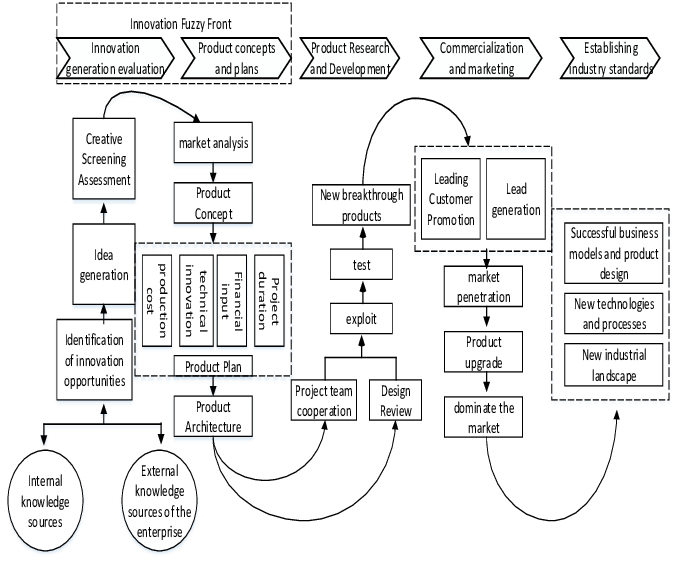
Far from being a constraint, sustainability is a catalyst for innovation. Companies that embrace green practices are discovering new ways to meet customer needs, optimize processes, and outperform competitors. Innovation in sustainability often leads to breakthroughs that redefine industries and create entirely new markets.
Consider the following examples of how sustainability is driving innovation:
- Renewable Energy: Companies like Google and Apple have committed to powering their operations with 100% renewable energy. Google’s data centers now run on wind and solar energy, reducing their carbon footprint while also stabilizing energy costs. This shift has not only enhanced their sustainability credentials but also positioned them as leaders in the tech industry.
- Sustainable Agriculture: Food companies are revolutionizing farming practices to reduce environmental impact. Cargill, for example, has invested in regenerative agriculture programs that improve soil health, sequester carbon, and enhance biodiversity. These practices not only benefit the planet but also ensure a stable supply of high-quality raw materials for the company.
- Waste Reduction: Innovations in packaging are helping companies minimize waste and appeal to eco-conscious consumers. Unilever’s “Less Plastic” initiative aims to halve its plastic footprint by 2025, while startups like Notpla are developing biodegradable packaging solutions made from seaweed. These innovations reduce environmental harm and open up new market opportunities.
- Smart Technologies: The Internet of Things (IoT) and artificial intelligence (AI) are enabling businesses to optimize resource use and reduce waste. Siemens, for instance, uses AI-driven analytics to monitor energy consumption in buildings, identifying inefficiencies and reducing costs by up to 30%. These technologies not only improve sustainability but also enhance operational efficiency.
The competitive advantage of sustainability is further evidenced by the rise of “green premiums”—the ability of sustainable products to command higher prices due to their perceived value. According to NielsenIQ, products with ESG-related claims generated 5.6 times more revenue than their conventional counterparts between 2013 and 2018. This trend underscores the growing consumer willingness to pay for products that align with their values.
Challenges and Roadblocks: Overcoming the Barriers to Sustainability
While the benefits of sustainable business practices are clear, the transition is not without its challenges. Companies must navigate a complex landscape of financial, operational, and cultural hurdles to implement meaningful change. Understanding these barriers is the first step toward overcoming them.
The most common challenges include:
- High Initial Costs: Sustainable technologies and practices often require significant upfront investment. For example, retrofitting a manufacturing plant to use renewable energy or adopting circular economy models can be expensive. However, studies show that these investments typically pay off in the long run through cost savings, improved efficiency, and increased revenue.
- Lack of Standardization: The absence of universal ESG reporting standards makes it difficult for companies to measure and compare their sustainability performance. Initiatives like the Global Reporting Initiative (GRI) and the Task Force on Climate-related Financial Disclosures (TCFD) are working to address this issue, but progress is slow.
- Resistance to Change: Embedding sustainability into corporate culture requires buy-in from leadership and employees alike. Resistance to change, whether due to complacency or skepticism, can hinder progress. Companies like Patagonia and Ben & Jerry’s have successfully navigated this by fostering a culture of purpose and empowering employees to champion sustainability initiatives.
- Supply Chain Complexity: Many companies struggle to ensure sustainability across their entire supply chain, particularly when working with global suppliers. Transparency and collaboration are key to addressing this challenge. Tools like blockchain technology can help track the sustainability performance of suppliers, while partnerships with organizations like the Carbon Disclosure Project (CDP) can provide valuable data.
To overcome these challenges, businesses can adopt the following strategies:
- Start Small, Scale Fast: Rather than attempting a complete overhaul, companies can begin with pilot projects that demonstrate quick wins. For example, implementing energy-efficient lighting or reducing paper waste can yield immediate cost savings and build momentum for larger initiatives.
- Leverage Partnerships: Collaborating with industry peers, NGOs, and government agencies can provide access to expertise, resources, and funding. The Fashion Pact, which unites 60+ fashion brands to reduce their environmental impact, is a prime example of how collective action can drive systemic change.
- Invest in Education and Training: Building internal capacity is critical to embedding sustainability into the company’s DNA. Providing employees with training on ESG principles, sustainable technologies, and best practices can foster a culture of innovation and accountability.
- Set Ambitious but Achievable Goals: Companies should aim for science-based targets that align with global climate goals, such as the Paris Agreement. Setting clear, measurable objectives—such as reducing carbon emissions by 50% by 2030—provides a roadmap for progress and holds the company accountable.
The Future of Business: A Sustainable and Inclusive Economy
The Green Revolution is still in its early stages, but its trajectory is undeniable. As businesses continue to adopt sustainable practices, the definition of success will evolve to encompass not just financial gains but also environmental stewardship and social impact. The future of business lies in creating value that is shared by all stakeholders—customers, employees, investors, communities, and the planet.
Several trends are shaping the future of sustainable business:
- Net-Zero Commitments: More companies are pledging to achieve net-zero emissions by mid-century. The UN’s Race to Zero campaign has mobilized over 3,000 businesses, representing a combined revenue of $6.4 trillion, to commit to halving emissions by 2030. Achieving these goals will require unprecedented collaboration and innovation.
- Biodiversity Protection: Recognizing that business success depends on healthy ecosystems, companies are increasingly prioritizing biodiversity conservation. The Business for Nature coalition, which includes over 800 companies, is advocating for policies and practices that protect and restore natural habitats.
- Circular Supply Chains: The shift from linear to circular supply chains is gaining momentum. Companies are exploring ways to eliminate waste by designing products for durability, repairability, and recyclability. The Ellen MacArthur Foundation estimates that a circular economy could generate $4.5 trillion in economic benefits by 2030.
- Stakeholder Capitalism: The rise of stakeholder capitalism, championed by organizations like the World Economic Forum, is redefining the purpose of business. Companies are increasingly focusing on creating value for all stakeholders, not just shareholders. This approach fosters long-term resilience and aligns with the expectations of modern consumers and investors.
The journey toward a sustainable and inclusive economy is not without its obstacles, but the rewards are immense. Businesses that embrace the Green Revolution will not only secure their place in a rapidly changing world but also contribute to a healthier, more equitable planet. For those who hesitate, the risks of inaction—regulatory penalties, reputational damage, and lost market share—far outweigh the challenges of transformation.
Conclusion: Embracing the Green Revolution for a Brighter Future
The Green Revolution is more than a buzzword; it is a fundamental shift in how businesses operate and define success. By integrating sustainability into their core strategies, companies can unlock new opportunities for growth, innovation, and resilience. The evidence is clear: sustainable businesses are not only better for the planet but also more profitable and competitive in the long run.
The path forward requires courage, commitment, and collaboration. It demands that businesses look beyond short-term profits and consider the broader impact of their actions. It calls for a reimagining of success—one that balances economic prosperity, social equity, and environmental health. As consumers, investors, and regulators continue to prioritize sustainability, businesses that fail to adapt risk being left behind.
The Green Revolution is not a passing trend; it is the future of business. For companies willing to embrace this transformation, the rewards are boundless—not just in terms of financial returns but in the creation of a more sustainable and inclusive world. The time to act is now. The future is green, and it’s time for businesses to lead the way.