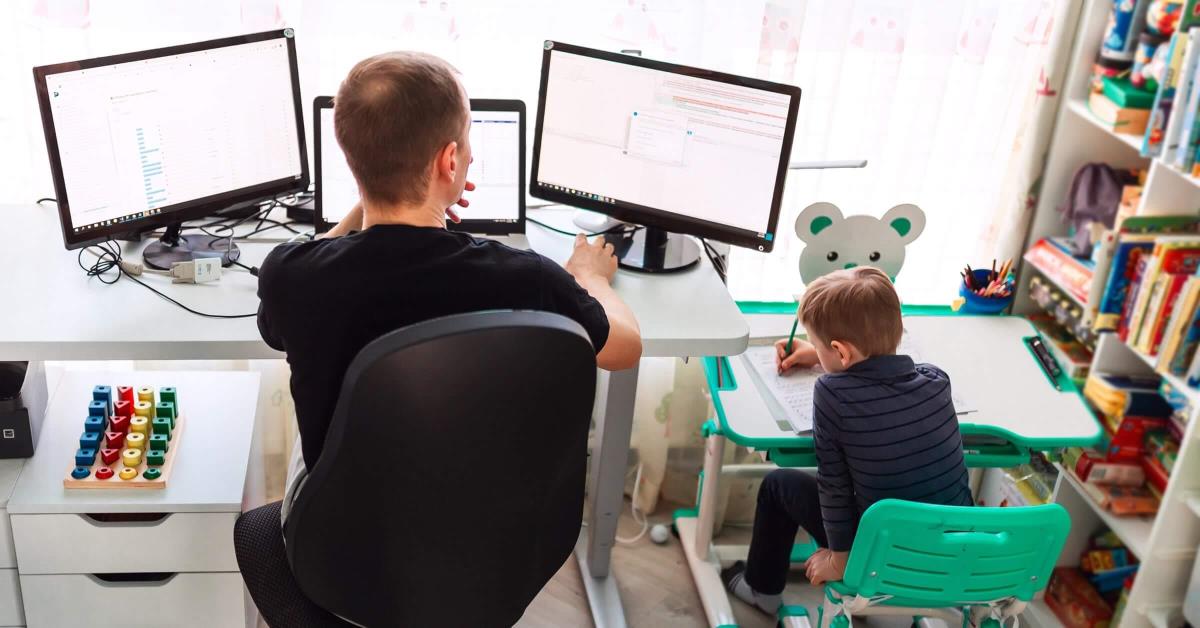

Reinventing Your Desk: Creative Strategies for a Fulfilling Work-from-Home Life
Working from home offers unparalleled flexibility, but it also presents unique challenges—especially when it comes to designing a workspace that inspires productivity and well-being. A well-thought-out desk setup can transform your remote work experience, turning a dull corner into a dynamic hub of creativity and focus. Whether you’re adjusting to a permanent home office or just looking to refresh your current space, these creative strategies can help you reinvent your desk for maximum fulfillment.
Why Your Desk Matters More Than You Think
Your desk is more than just a place to set your laptop—it’s the physical anchor of your workday. A thoughtfully designed workspace can reduce stress, boost motivation, and even enhance cognitive function. Studies show that a clutter-free, aesthetically pleasing environment can improve concentration and job satisfaction. Conversely, a disorganized or uninspiring desk can drain your energy and make even simple tasks feel overwhelming. By reinventing your desk, you’re not just updating furniture; you’re redesigning your entire work experience.
Start with the Essentials: Ergonomics and Functionality
Before diving into decor or creativity, ensure your desk meets basic ergonomic needs. Poor posture and discomfort can lead to long-term health issues and decreased productivity. Here’s how to optimize your setup:
- Chair Choice: Invest in an adjustable chair that supports your lower back. If budget is tight, use cushions or rolled-up towels to improve lumbar support.
- Desk Height: Your desk should be at a height where your elbows rest at 90 degrees when typing. If standing desks aren’t an option, consider a sturdy table or a stack of books to raise your laptop to eye level.
- Monitor Position: Place your monitor about an arm’s length away, with the top of the screen at or slightly below eye level to reduce neck strain.
- Keyboard and Mouse: Use a separate keyboard and mouse to avoid hunching over your laptop. Wrist rests can also help prevent strain.
Once the basics are covered, you can focus on making the space uniquely yours.
Inject Personality with Purposeful Decor
A desk that reflects your personality can make work feel more enjoyable and less monotonous. The key is to choose decor that inspires you without creating clutter. Consider these ideas:
- Art and Prints: Hang a small frame, print, or even a postcard with an image that motivates you—whether it’s a serene landscape, a motivational quote, or abstract art.
- Plants: Adding greenery can purify the air and boost your mood. Opt for low-maintenance plants like succulents, snake plants, or pothos if you’re not a natural green thumb.
- Personal Mementos: A small trinket from a memorable trip, a family photo, or a handwritten note can add warmth to your space.
- Lighting: Swap harsh overhead lighting for a desk lamp with warm, adjustable brightness. Consider string lights or LED strips for a cozy ambiance.
Remember, less is often more. A few carefully chosen items can create a sense of harmony without overwhelming your workspace.
Declutter for Clarity and Focus
Clutter isn’t just visual noise—it can mentally drain you and make it harder to concentrate. A minimalist approach to desk organization can help you work with greater clarity. Try these decluttering strategies:
- Digital Declutter: Organize your desktop files, unsubscribe from unnecessary email lists, and use apps like Trello or Notion to streamline your workflow.
- Physical Declutter: Keep only what you use daily on your desk. Store supplies in drawers or baskets, and use trays or pen holders to corral small items.
- Regular Purges: Set a monthly reminder to go through your desk and remove anything you no longer need. Donate or recycle old notebooks, cables, or gadgets.
An uncluttered desk sets the stage for an uncluttered mind, making it easier to dive into your tasks with focus.
Create Zones for Different Tasks
If your desk serves multiple purposes—like work, creative projects, or study—consider dividing it into distinct zones. This can help your brain associate specific areas with particular tasks, improving efficiency. For example:
- Work Zone: Dedicate one side of your desk to your laptop, notebooks, and essential tools like a planner or reference materials.
- Creative Zone: Reserve a small corner for sketching, journaling, or brainstorming. A separate notebook or tablet can signal to your brain that it’s time to switch gears.
- Relaxation Zone: Include a small plant, a stress ball, or even a fidget toy to take quick breaks and recharge.
Even in a small space, these micro-zones can create a sense of structure and purpose.
Embrace Multifunctional and Adaptable Solutions
Space constraints often come with remote work, so look for furniture and accessories that serve multiple purposes. Here are some adaptable ideas:
- Convertible Desks: Wall-mounted drop-leaf desks or foldable tables can be tucked away when not in use, freeing up space for other activities.
- Modular Storage: Use stackable bins, magnetic boards, or pegboards to customize your storage as your needs change.
- Dual-Purpose Items: Opt for a desk that doubles as a dining table or a bookshelf that also serves as a room divider.
Adaptability ensures your desk can evolve with your work and lifestyle.
Incorporate Sensory Elements for a Richer Experience
A desk that engages your senses can make work feel more immersive and enjoyable. Consider adding elements that appeal to sight, sound, touch, and even smell:
- Sight: Rotate eye-catching decor seasonally or whenever you need a refresh. A small mirror can also make your space feel larger.
- Sound: Play ambient music or white noise through a small speaker or use noise-canceling headphones for deep focus.
- Touch: Textured desk mats, soft mouse pads, or even a small piece of fabric can add tactile comfort.
- Smell: A subtle scent from a candle, essential oil diffuser, or even a sachet of dried lavender can create a calming atmosphere.
These sensory touches can turn a functional desk into a sanctuary.
Make It a Reflection of Your Workflow
Your desk should work for you, not the other way around. Tailor it to your specific workflow and habits. For example:
- For the Visual Thinker: Use sticky notes, whiteboards, or a vision board to map out ideas and goals.
- For the Minimalist: Stick to a neutral color palette and keep only essentials on display. A single plant or piece of art can be enough.
- For the Hands-On Learner: Include a small notebook for jotting down ideas or a stack of books related to your field.
When your desk aligns with how you work, productivity and satisfaction naturally follow.
Sustainability: A Workspace That Cares for the Planet
Reinventing your desk is also an opportunity to make eco-conscious choices. Sustainable options can reduce waste and create a healthier environment. Consider these swaps:
- Furniture: Choose desks and chairs made from reclaimed wood, bamboo, or recycled materials.
- Supplies: Opt for refillable pens, recycled paper, and non-toxic cleaning products.
- Energy: Use energy-efficient lighting and unplug devices when not in use to reduce your carbon footprint.
A sustainable desk isn’t just good for the planet—it can also inspire you to make mindful choices in other areas of your life.
Final Thoughts: Your Desk, Your Way
Reinventing your desk is about more than aesthetics—it’s about creating a space that supports your well-being, fuels your creativity, and aligns with your values. Whether you’re starting from scratch or giving your current setup a refresh, focus on what makes you feel most productive and at ease. Remember, the best desk is the one that works for you.
Take the time to experiment, adjust, and refine your space until it feels like a true extension of yourself. With a little creativity and intention, your desk can become the heart of a fulfilling work-from-home life.