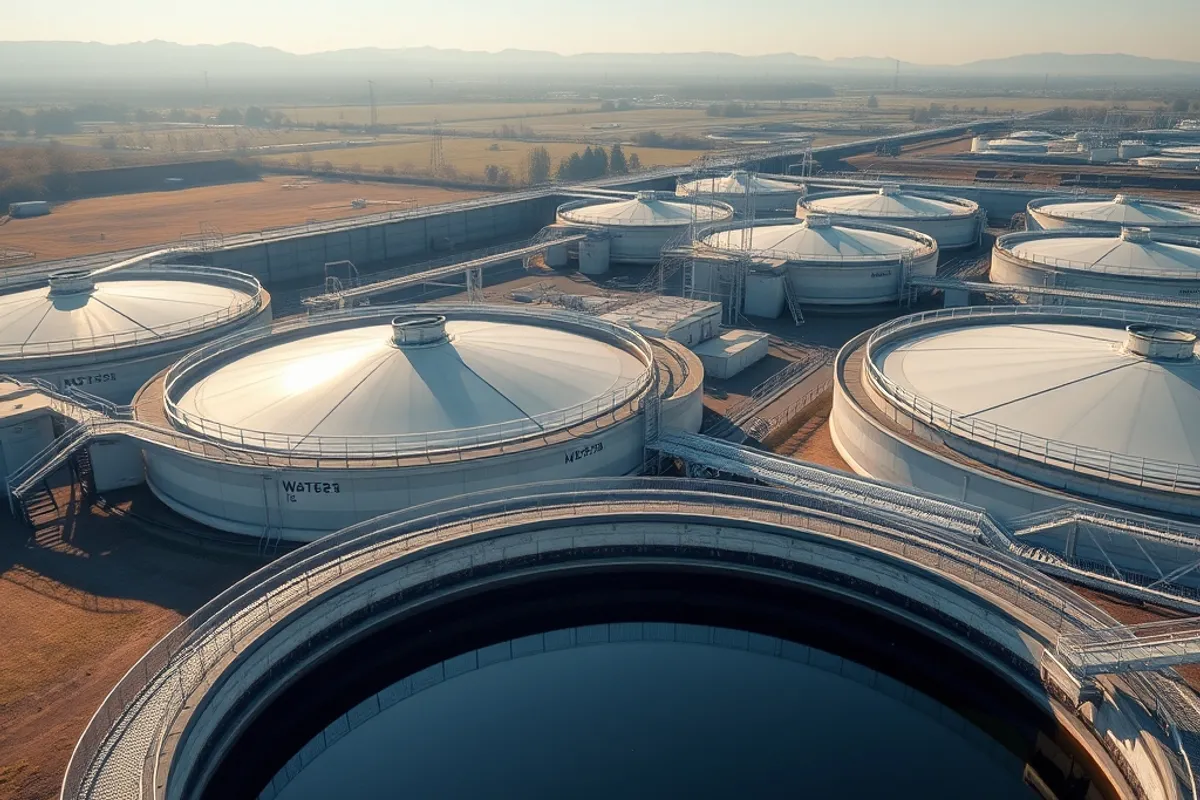
The leak problem
Old distribution networks lose a significant share of treated water before it reaches a customer. Fixing leaks is usually cheaper than building a new source, but the work is disruptive and hard to photograph.
Utilities prioritise the worst sections using pressure data and repair history. A replacement programme that runs at two percent a year will take decades, so the order of sections is a policy decision.
Treatment and energy
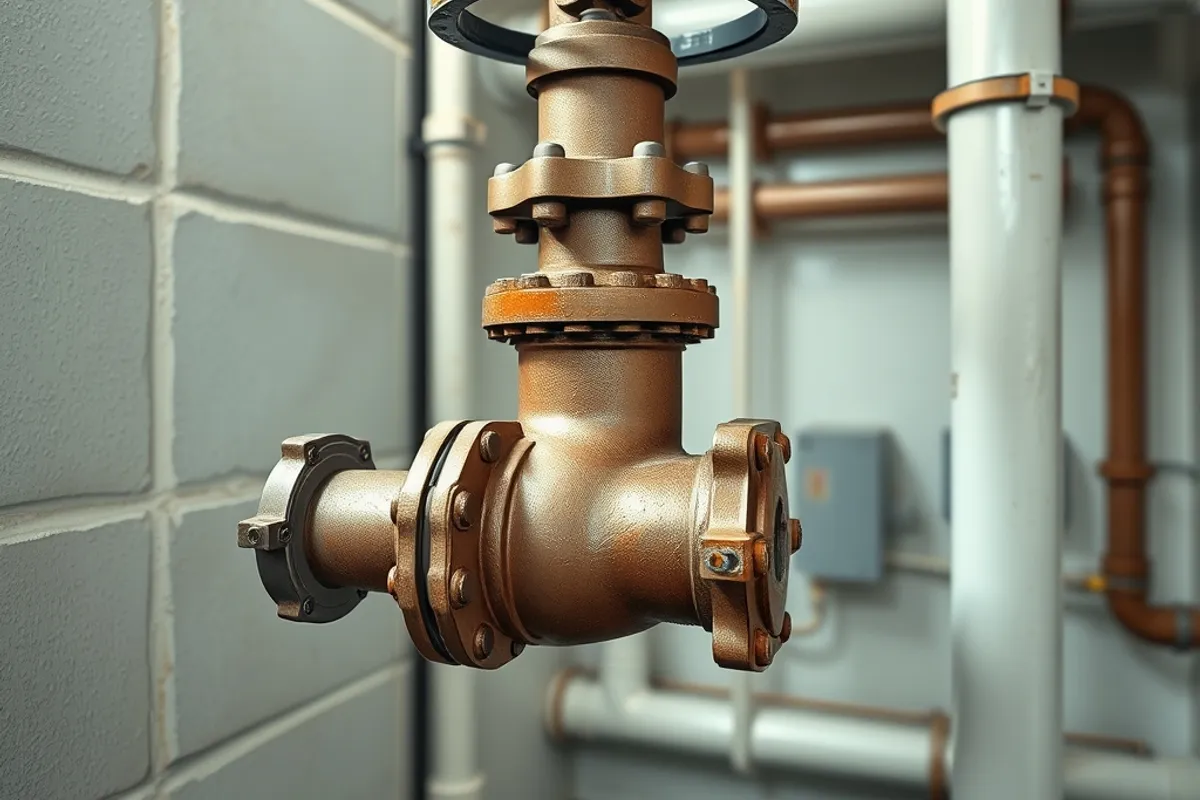
Pumping and treating water uses electricity, so a utility’s carbon footprint is tied to the grid as well as the process. Efficiency at the pump can cut both cost and emissions.
Desalination offers a drought-proof supply where the coast and the energy budget allow it. Elsewhere, reuse and leak repair often deliver the same volume at a lower price.

Storage is a land decision
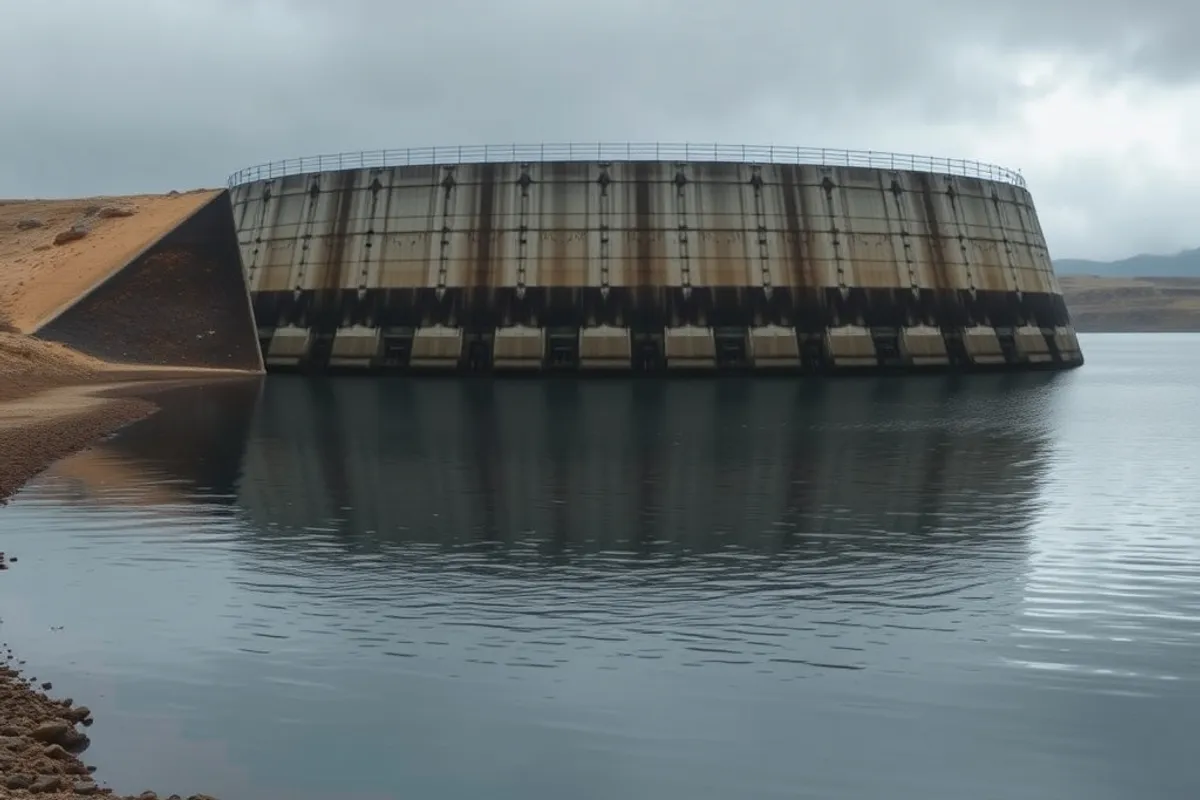
A new reservoir stores water but takes land, time and an environmental assessment. Managed aquifers and smaller local stores can be faster, though they need careful monitoring.
The choice is not only engineering. It decides who loses land, who pays and which downstream users see a change in flow. Those tradeoffs belong in the public record.
The most important water infrastructure is usually underground and always out of the news.
Who pays for resilience
Water bills spread the cost across customers, but the people least able to pay are often those with the oldest plumbing and the highest exposure to service cuts.
A fair plan pairs infrastructure spending with a tariff design that protects basic use. Without it, a utility can meet its efficiency target while household bills become unaffordable.
Reading the numbers
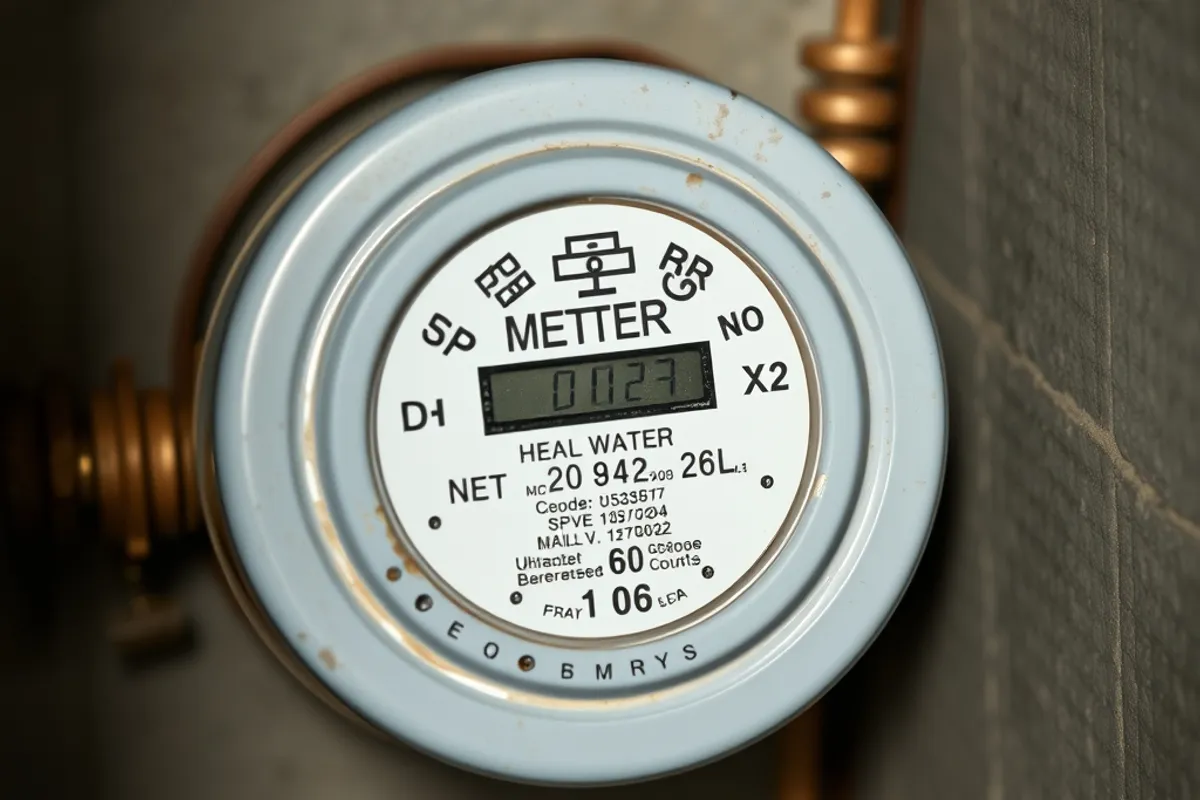
Compare treated volume, billed volume and network length before accepting a shortage claim. The gap between treated and billed water often points to leakage or metering problems.
Ask for a seasonal breakdown. A system that copes in an average year and fails in a dry one has a capacity problem, not a demand problem, and the two need different responses.
Infrastructure figures describe 2026 planning assumptions and vary by utility.
Corrections or a tip? Contact us.