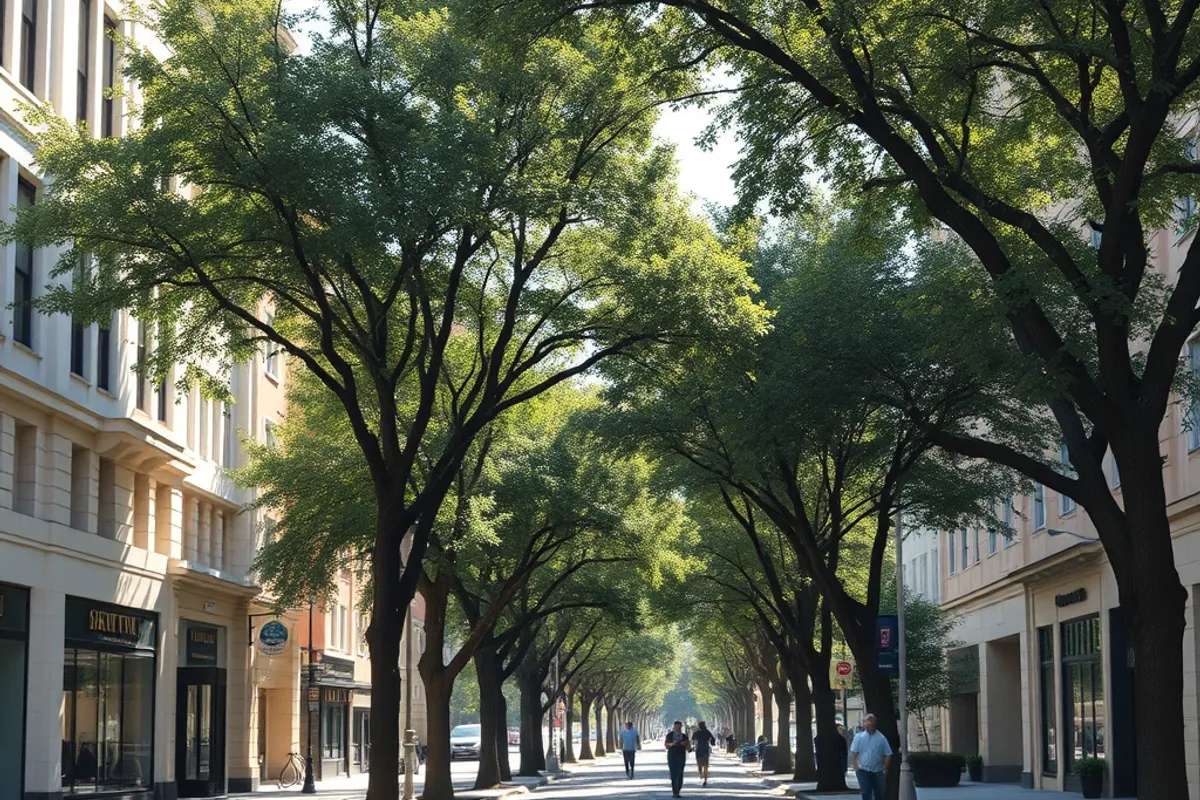
Shade beats most gadgets
A mature tree canopy lowers surface temperature and makes a walk plausible in the afternoon. But trees take years to grow and need water, soil volume and a maintenance budget in the first three summers.
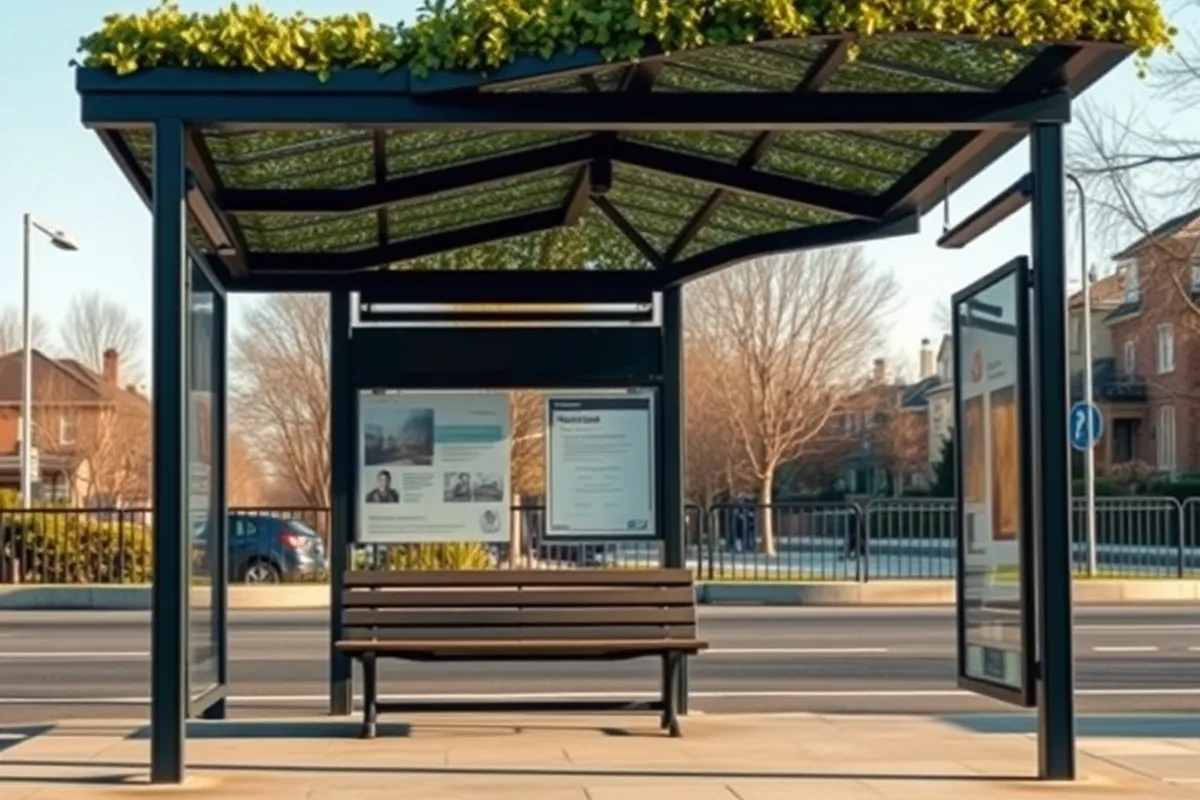
Where trees cannot thrive, simple structures work: shaded shelters, awnings and covered walkways. They are less romantic than a planting scheme and can be installed before the next heat season.
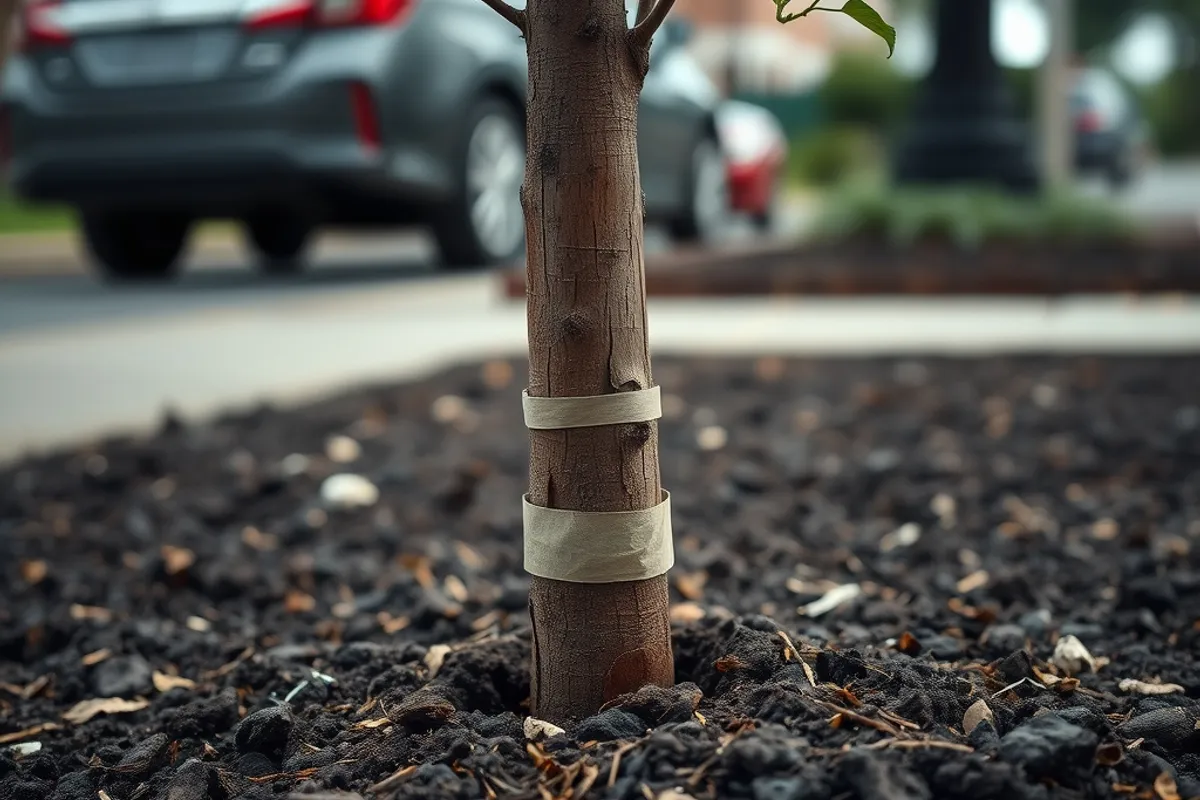
Surfaces that hold less heat
Dark asphalt and dense paving store heat through the day and release it at night. Pale surfaces, permeable joints and shaded parking reduce that store, though they still need cleaning and repair.
Material choice has to fit the street. A pale surface that creates glare for drivers or floods because the drainage is wrong is not a solution. Test a block before resurfacing a district.
Water as public infrastructure
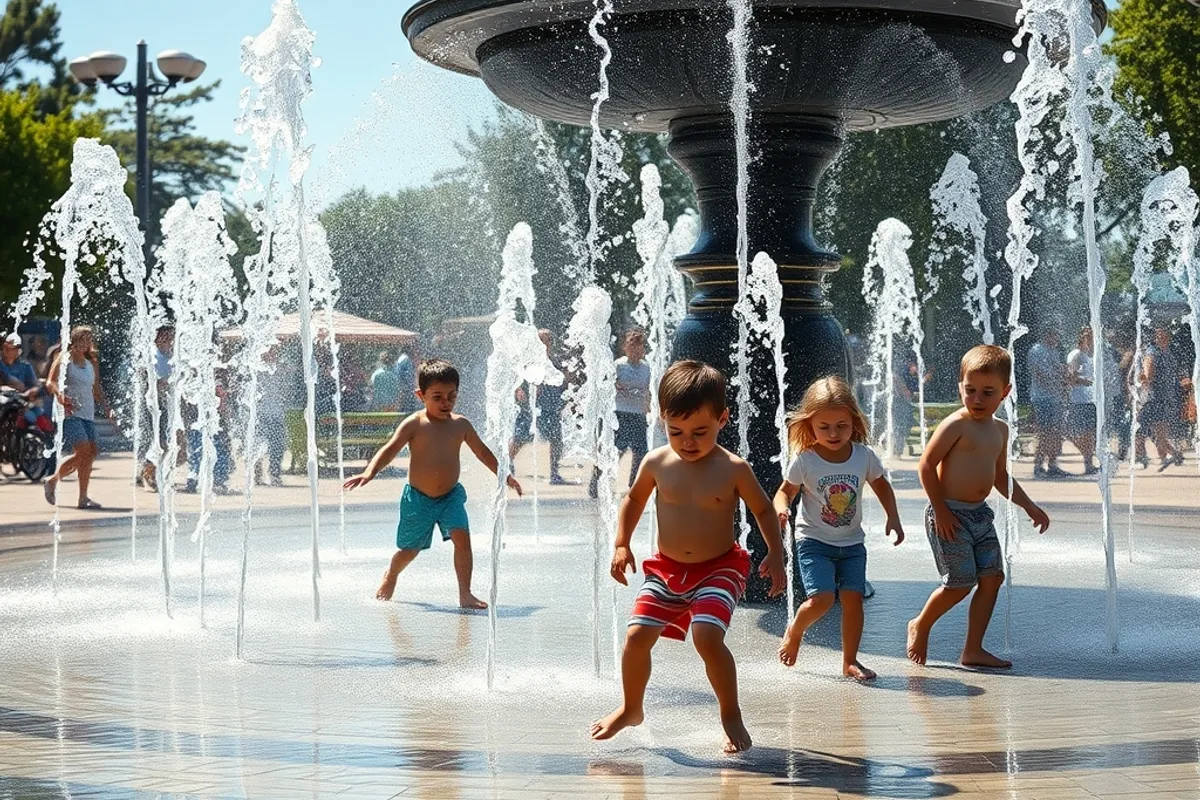
Fountains, misting points and drinking taps matter during a heat alert. They need a reliable supply, daily cleaning and a design that works when the square is crowded.
Water features that are switched off to save money fail at exactly the moment they are needed. A heat plan should name who turns them on and who pays for the water.
A heat plan is only as good as the street a resident can walk at three in the afternoon.
The night-time problem
Hot nights are more dangerous than hot afternoons in dense housing. Buildings that absorbed heat all day release it after sunset, and residents without cooling get little recovery.
Insulation, external shading and secure ventilation help, but they are slow to retrofit. Until then, a cool public space that stays open in the evening can be the most practical option.
How to tell if a plan is real
Look for a named department, a budget line and a delivery date. A map without those three things is an aspiration, however good the colour coding.
Then check the maintenance paragraph. Shade structures, trees and water points all fail without routine care. The city that budgets for year five is the one that will still be cool in year ten.
Design examples describe 2026 practice and depend on local climate and budget.
Corrections or a tip? Contact us.