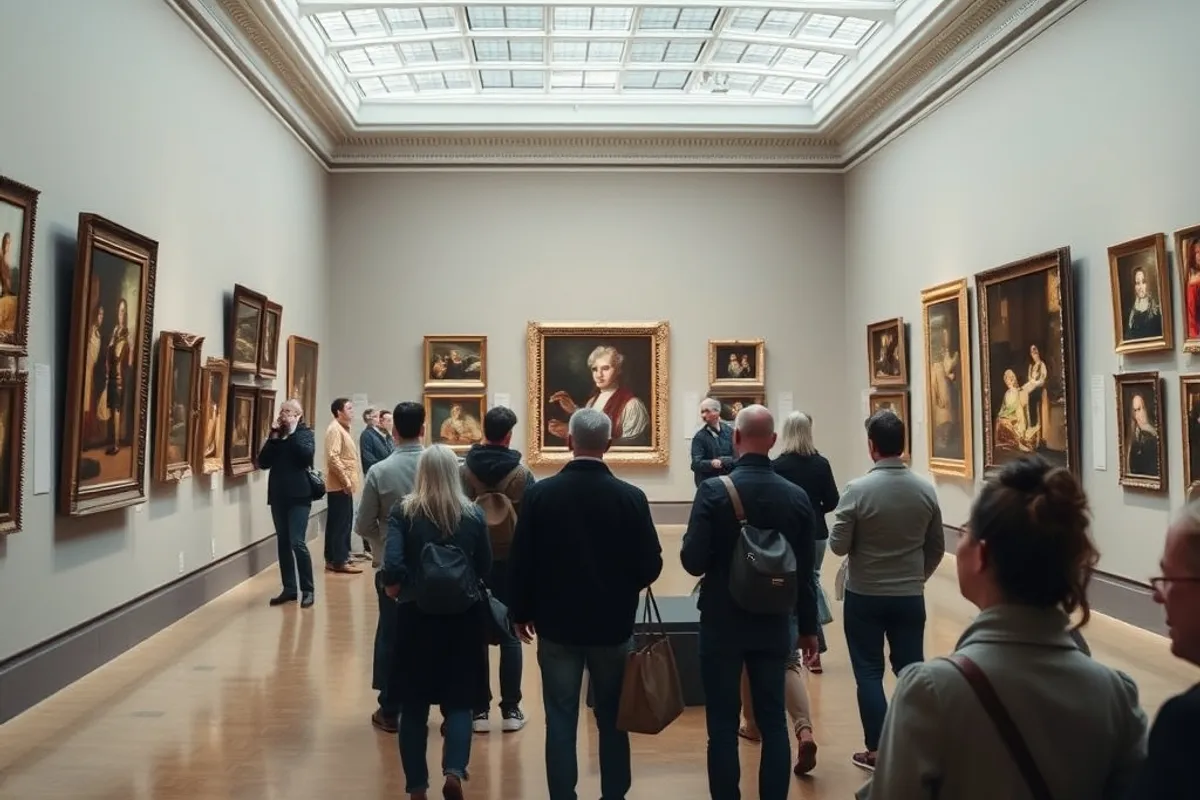
Who comes through the door
Removing a ticket price changes the audience more than the total. First-time visitors, families and people who live nearby arrive in larger numbers, while repeat visitors may come less often and stay longer.
Attendance counts alone can mislead. A gallery with half the visitors who each stay twice as long may be serving its purpose better than a crowded room where everyone leaves after twenty minutes.
The funding gap
Ticket revenue rarely covers the full cost of a museum, but losing it still matters. Institutions replace it with public funding, memberships, café income and paid special exhibitions.
That mix changes programming. If a museum depends on blockbuster shows to cross-subsidise free entry, the permanent collection can lose space and staff attention.
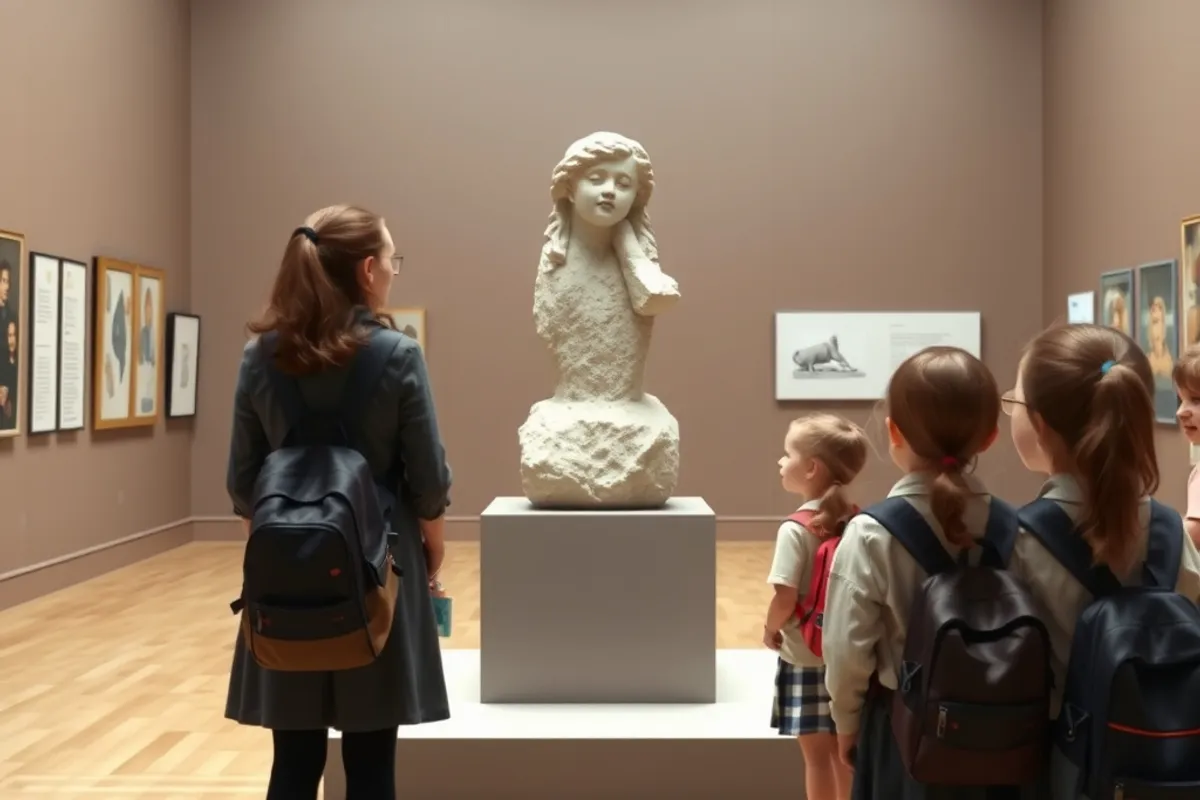
School visits and access
Free entry helps schools most when transport and staffing are also funded. A free ticket with no coach budget still excludes the schools that need it most.
The strongest programmes pair free admission with a booking guarantee, a simple risk assessment and a member of staff who understands how to host a class. Access is a service, not a price tag.
A free museum is not a finished policy; it is a promise that has to be funded every year.
What visitors notice
Crowding changes the experience. Museums that remove prices often add timed entry for busy periods, clearer wayfinding and more seating, because a free building still has a finite capacity.
Staff report a different kind of question at the desk: less about cost, more about where to start. A short recommended route near the entrance can do more than another room of labels.
The wider city effect
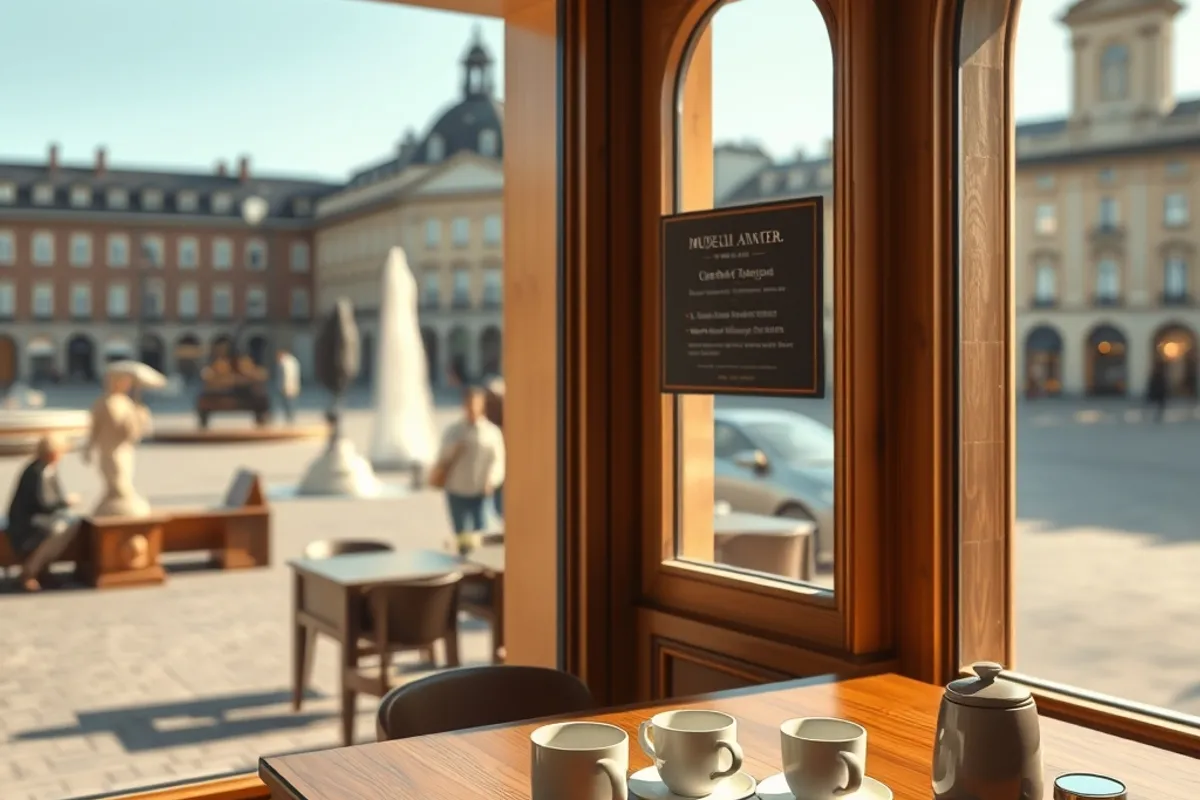
A free museum brings footfall to nearby shops and cafés, but the benefit is uneven. Institutions in already busy districts capture more of it than those on the edge of a city.
The policy works best as part of a wider plan: reliable public transport, clear opening hours and a genuine effort to reach neighbourhoods that rarely visit. A free door is a start, not a strategy.
Attendance and pricing examples describe 2026 conditions and vary by institution.
Corrections or a tip? Contact us.