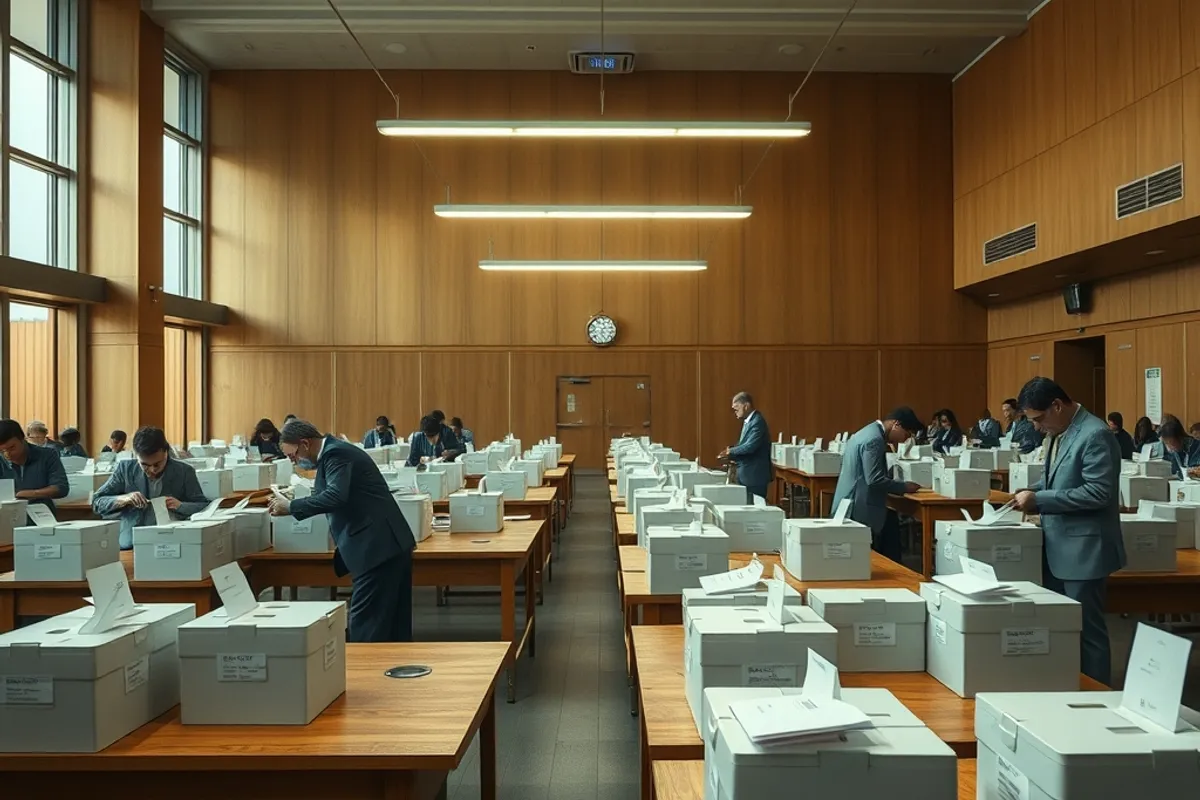
From ballot box to counting table
On polling day, ballot boxes are sealed, logged and moved to a counting centre under a chain of custody. The paperwork looks dull, and that is the point: every transfer is recorded so a missing box is noticed before a total is announced.
Counting teams usually work in pairs, with observers from parties or civic groups positioned where they can see the paper without touching it. The first pass is a raw tally. Later checks compare the count against the number of ballots issued and the register entries for that station.

Why a close result takes longer
A narrow margin triggers scrutiny, not suspicion. Recounts, rejected-ballot reviews and the resolution of disputed papers all take time, and the rules vary by country and by level of election.
The slow part is rarely the arithmetic. It is the decision about what counts as a valid mark, who is allowed to challenge it and whether a regional result must be repeated. Those steps are defined in law, so a delay is often a sign that the system is working as written.
What observers actually do
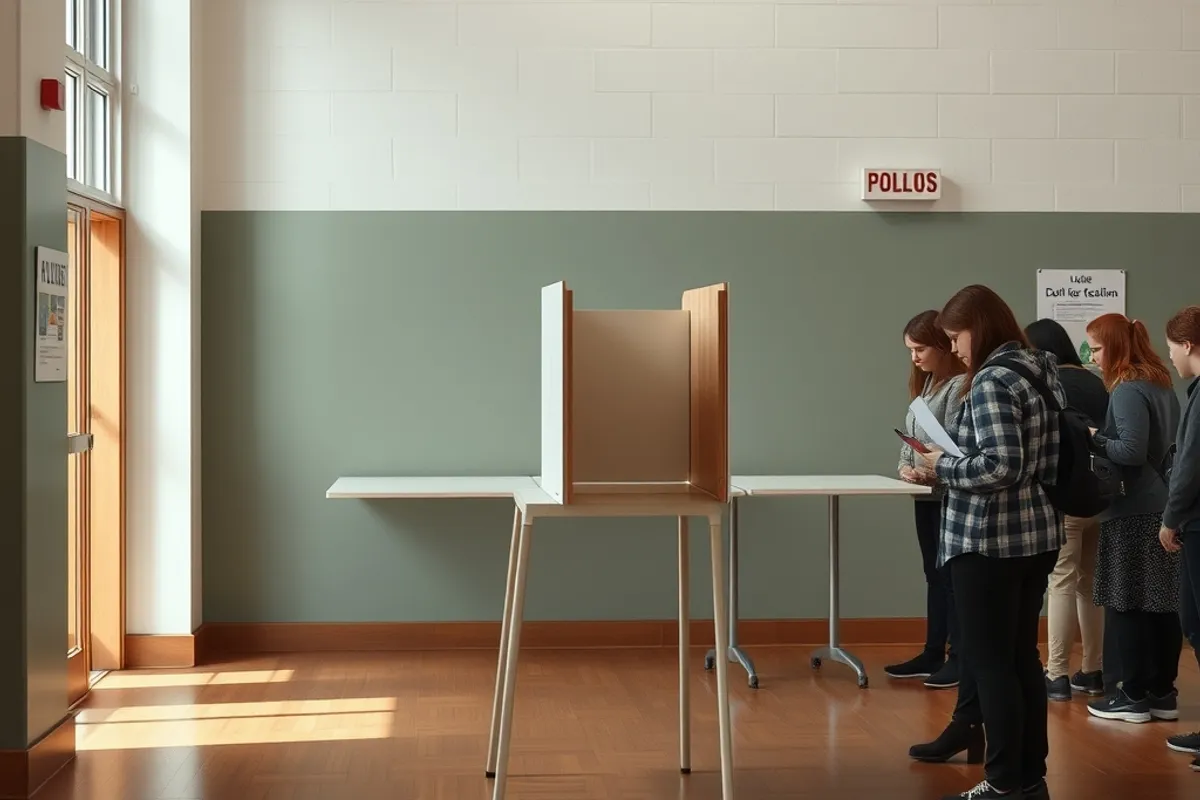
Observers watch process, not politics. They check that boxes arrive sealed, that figures are read aloud and posted, and that each party gets a copy of the station record. Their value comes from being present at the moment a decision is made.
A credible observation mission publishes what it saw and what it could not see. A short statement that praises an election without describing any limits tells a reader very little. Look for the numbers: how many stations were visited and where access was refused.
A trustworthy count is built from tedious paperwork, visible checks and a paper trail that anyone can follow.
Reading a declaration carefully
A declared result is a statement about the count, not always the final legal outcome. Election bodies may certify in stages, and courts can order a recount or a fresh vote in a specific district.
Check the denominator before accepting a percentage. A party can win the most votes in a district and still lose the seat under a different allocation rule. The rule matters more than the rhetoric on election night.

Where counts go wrong
Most failures are administrative: wrong forms, delayed transport, inconsistent instructions to counting staff or a publication system that cannot handle a surge in traffic. These problems are fixable, but they need to be named in public.
The remedy is boring and effective: publish station-level results, keep paper records, train counting teams and give observers a clear route to report a problem. Transparency before the count is worth more than an inquiry after it.
Rules and dates in this guide describe 2026 practice; check the local election authority for a specific contest.
Corrections or a tip? Contact us.