
Energy density is not the whole story
A cell that stores more energy per kilogram is useful, but a pack also needs cooling, structure and safety margin. Pack-level gains are usually smaller than cell-level claims.
Ask whether a figure refers to a cell, a module or a finished pack, and whether it is measured at the same temperature and discharge rate as the comparison. Without that, the number is marketing.
Solid state and the manufacturing gap
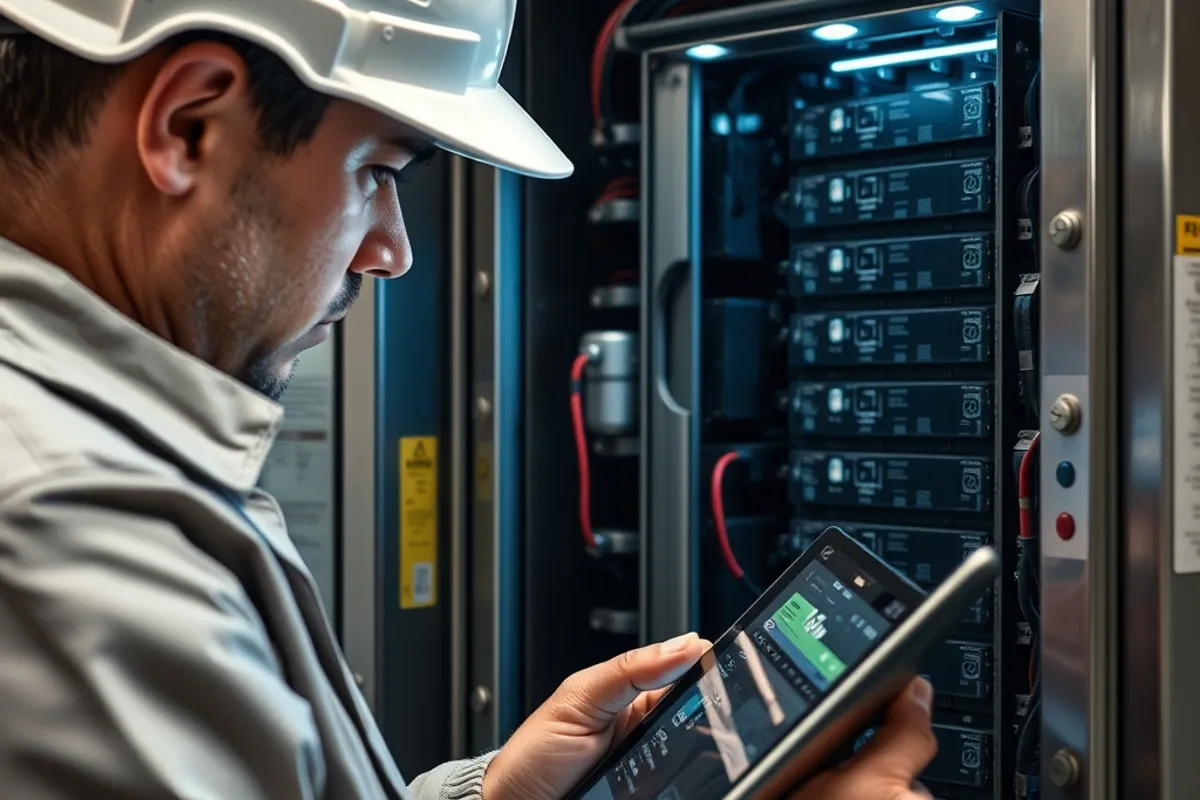
Solid-state cells promise better safety and higher energy, but the difficult part is producing them at scale with consistent interfaces between layers. A working laboratory pouch is not a production line.
Watch the yield rate, not the press release. A factory that can make a thousand good cells but rejects half of them has not solved the cost problem, even if the chemistry works.
Charging speed has a physical cost
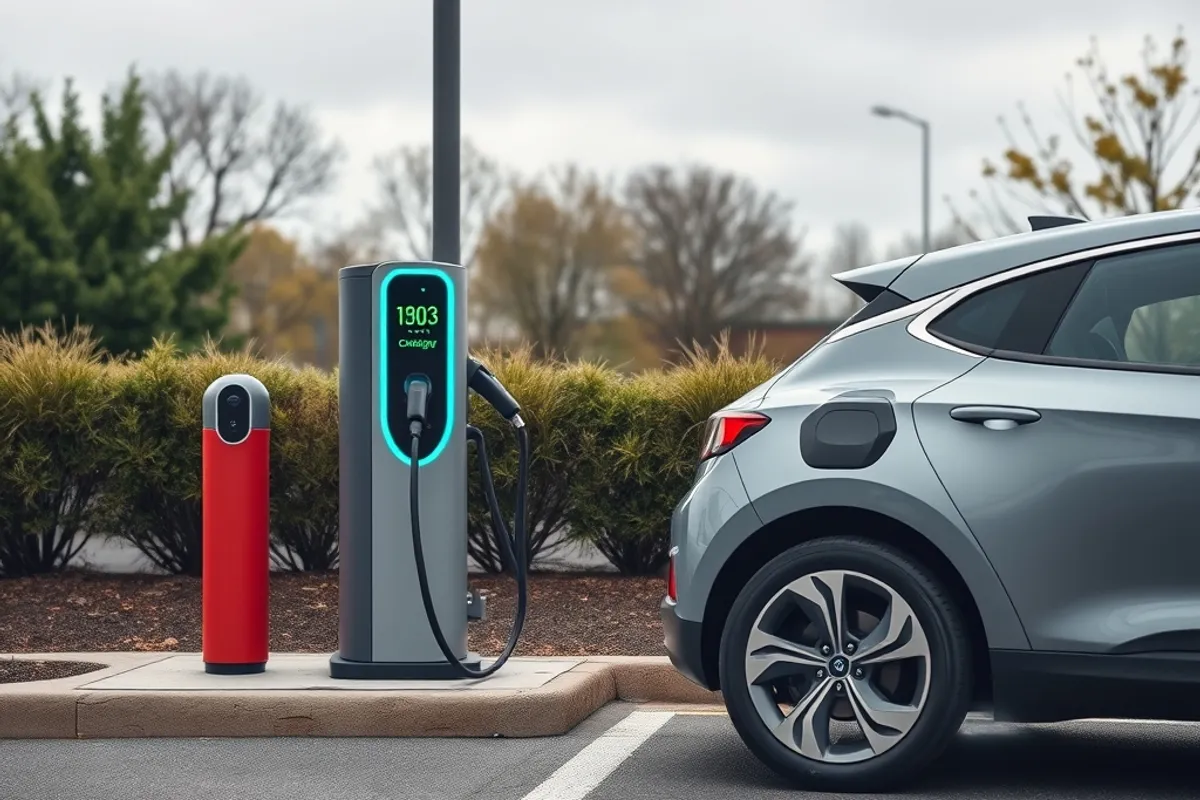
Fast charging raises temperature and accelerates wear. A figure quoted as minutes to eighty percent is only meaningful alongside the conditions: starting charge, ambient temperature and the number of cycles before capacity fades.
Fleet operators often choose slower charging and larger batteries because vehicles have predictable downtime. The fastest charger is not always the cheapest system over a ten-year life.
A battery breakthrough is not a product until someone can make it twice and sell it at a price.
Where recycling changes the maths
Recovery of lithium, nickel and copper is improving, but the economics depend on collection rates and the price of virgin material. A recycling claim means little without a stated recovery percentage.
Design for disassembly matters as much as the recovery process. Packs that can be opened and graded cheaply produce better feedstock than packs that must be shredded.

Reading a claim in 2026
Look for three things: the test method, the sample size and the stage of development. A result on a handful of cells is a research finding, not a product specification.
The most credible announcements are boring. They give a date, a production site and a limit. That is the point at which a battery story stops being a breakthrough and starts being infrastructure.
Technical figures describe published 2026 results and are not engineering specifications.
Corrections or a tip? Contact us.